
AWI Millwork Standards
Understanding Economy, Custom, and Premium Grades
When a commercial millwork specification references AWI (Architectural Woodwork Institute) standards, the grade helps define expectations for materials, workmanship, and the finished appearance of the architectural woodwork. Economy, Custom, and Premium represent different levels of aesthetic control, and understanding those differences helps project teams specify the right level for the application.
Marengo Millwork can work toward project-specific AWI requirements when they are part of the defined scope. The goal is to understand what the plans and specifications actually call for, then approach the millwork around the needs of the project rather than treating the grade as a generic quality label.
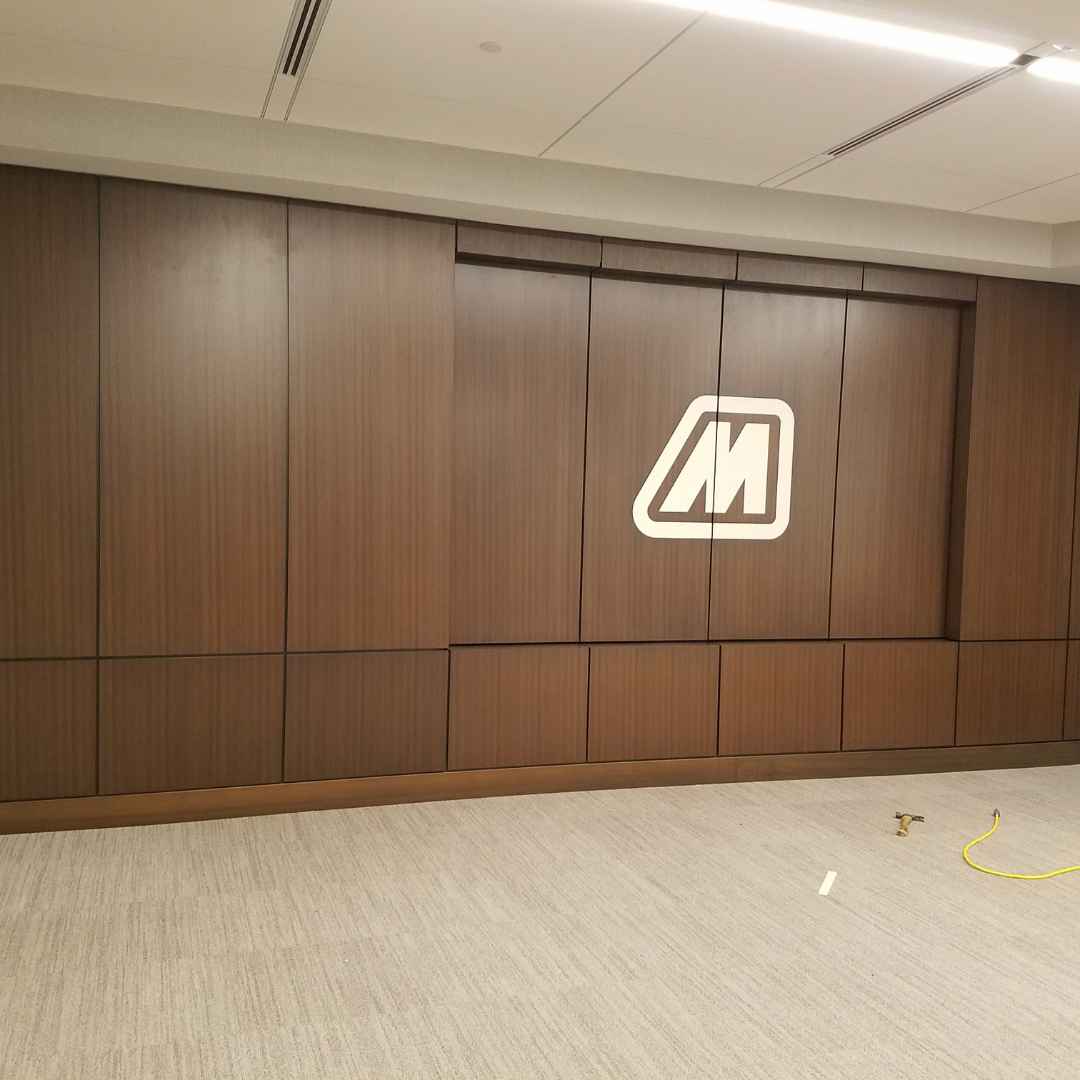
Different Levels of Aesthetic Control for Your Project
Every AWI-specified project starts with understanding which grade applies and where. The appropriate level can depend on the visibility of the millwork, design intent, materials, budget, and requirements established by the architect or owner.
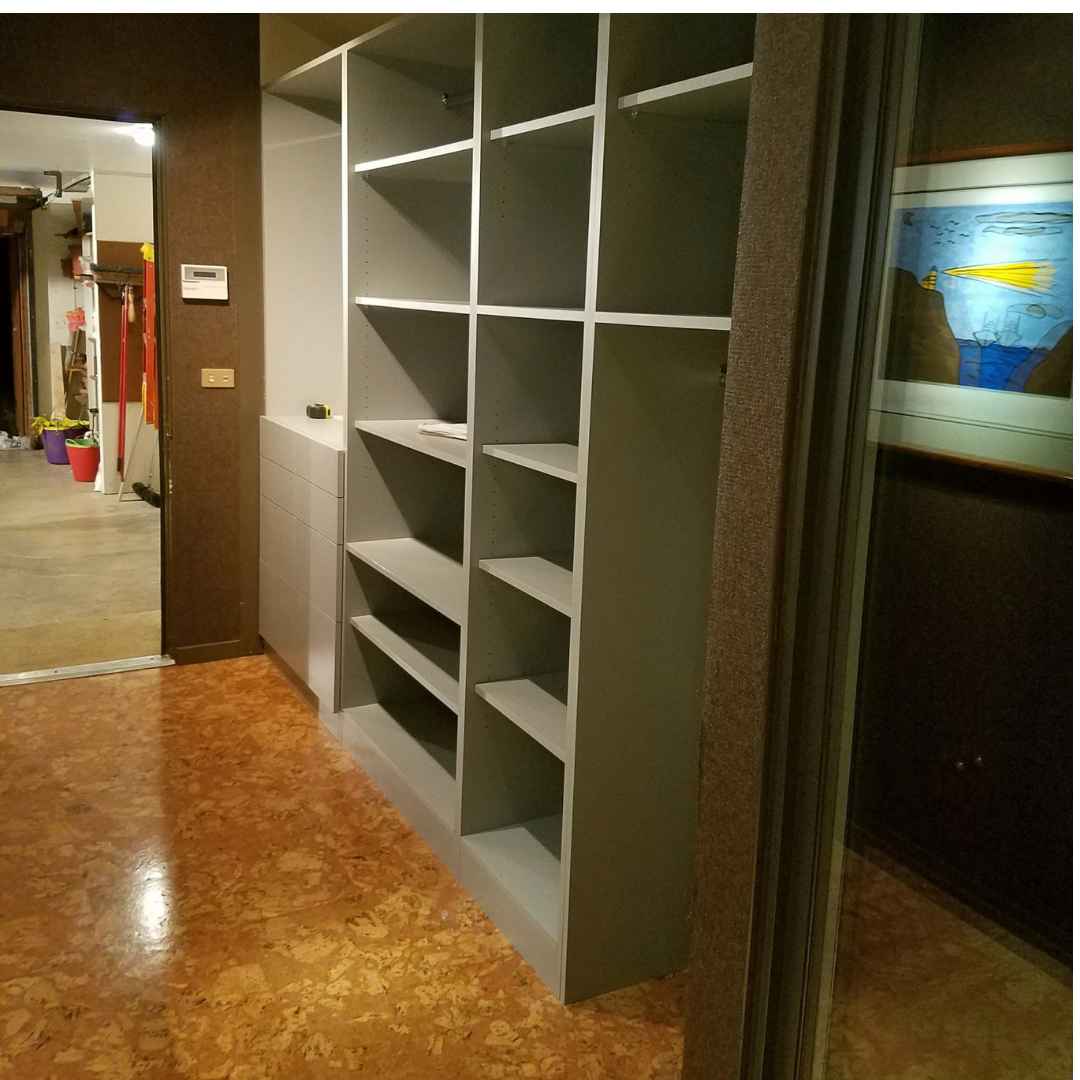
Economy Grade establishes the minimum level of aesthetic control within the AWI grading system. It may be specified for areas where function is the priority and a higher degree of visual refinement is not required.
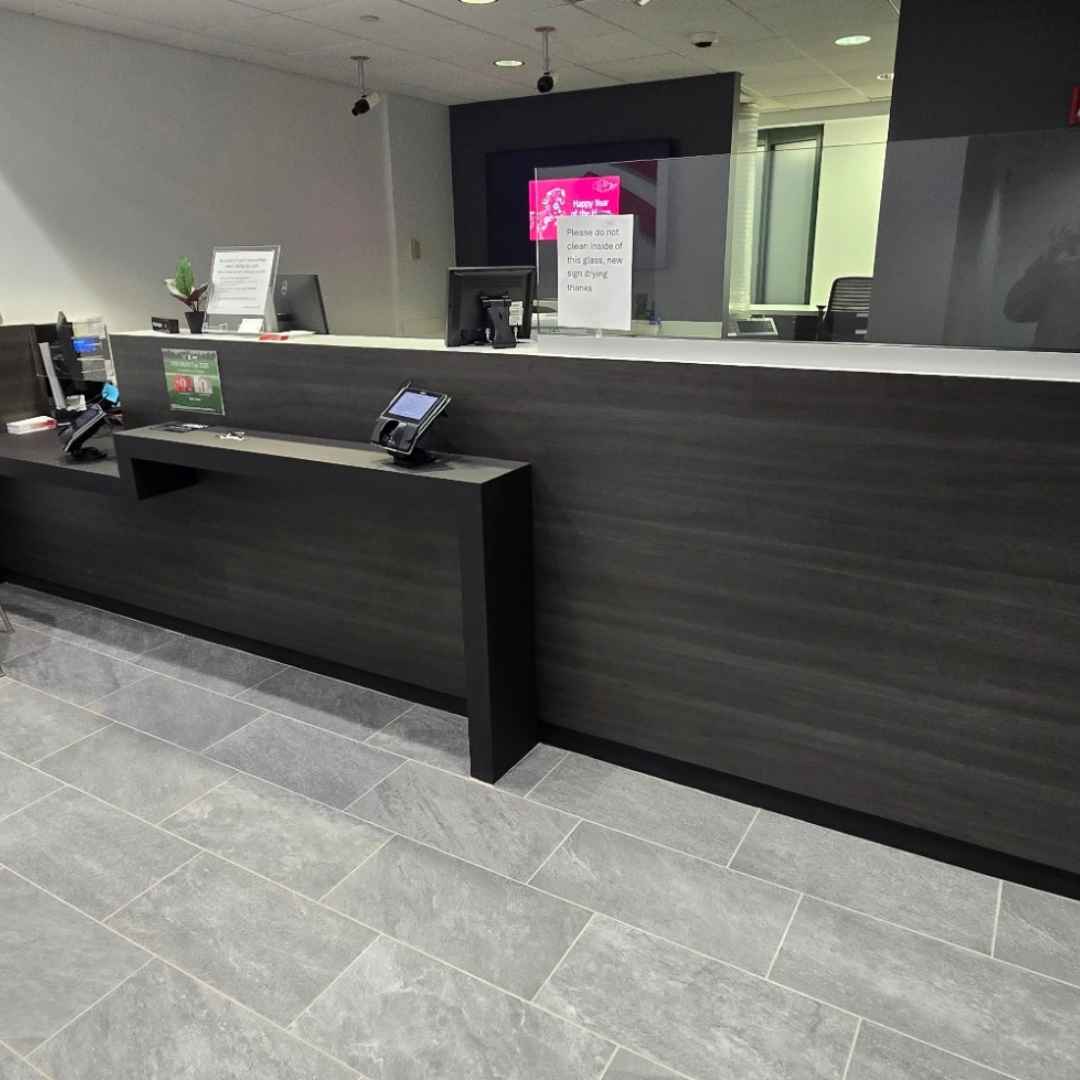
Custom Grade provides a higher level of aesthetic control and is commonly relevant to commercial architectural woodwork. It can be appropriate for cabinetry, offices, work areas, reception environments, and other occupied spaces where appearance, consistency, and fit are important.
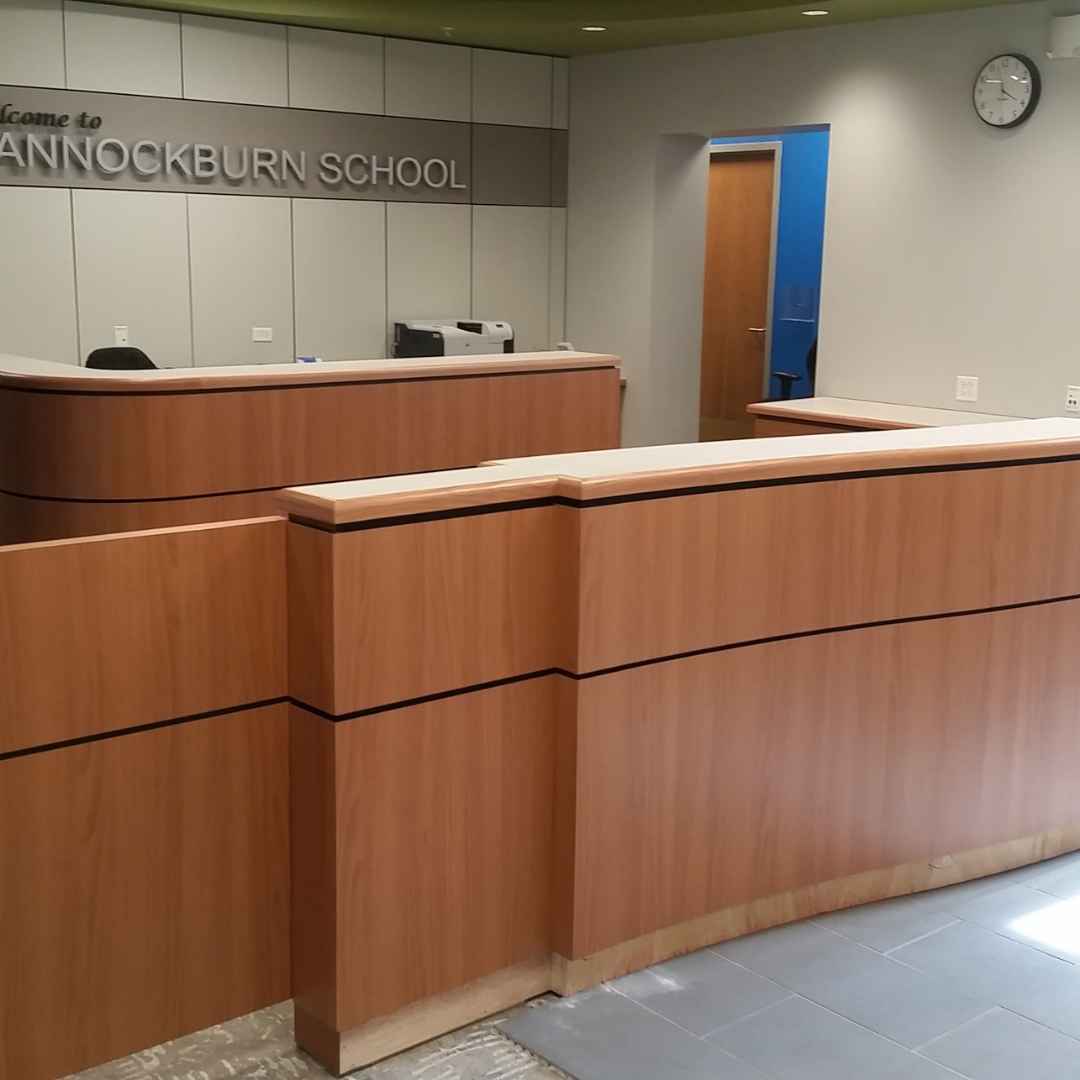
Premium Grade provides the highest level of aesthetic control within the AWI grading system. It may be specified for highly visible, closely viewed, or design-driven architectural elements where tighter requirements for materials and workmanship are appropriate.
AWI-Specified Commercial Millwork
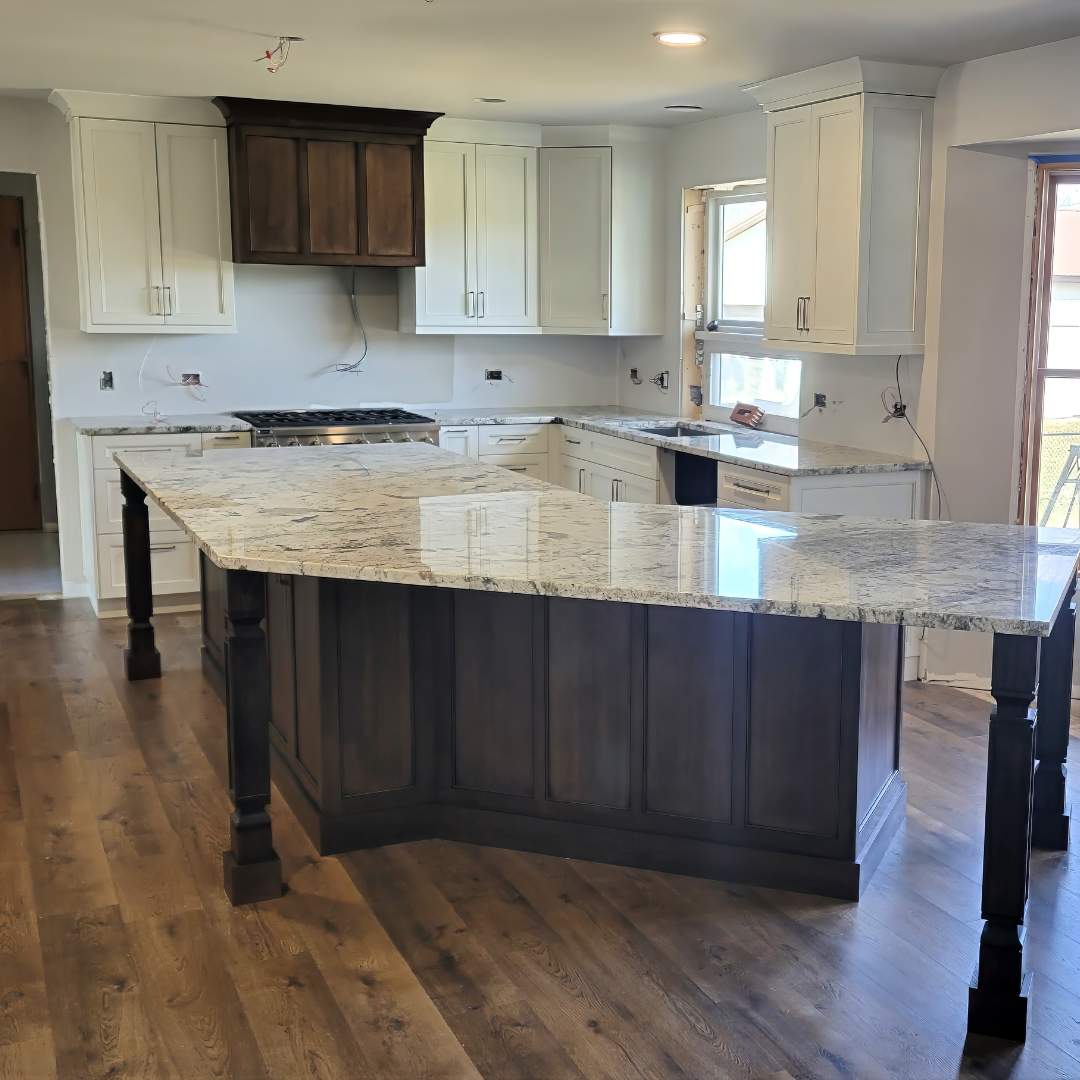
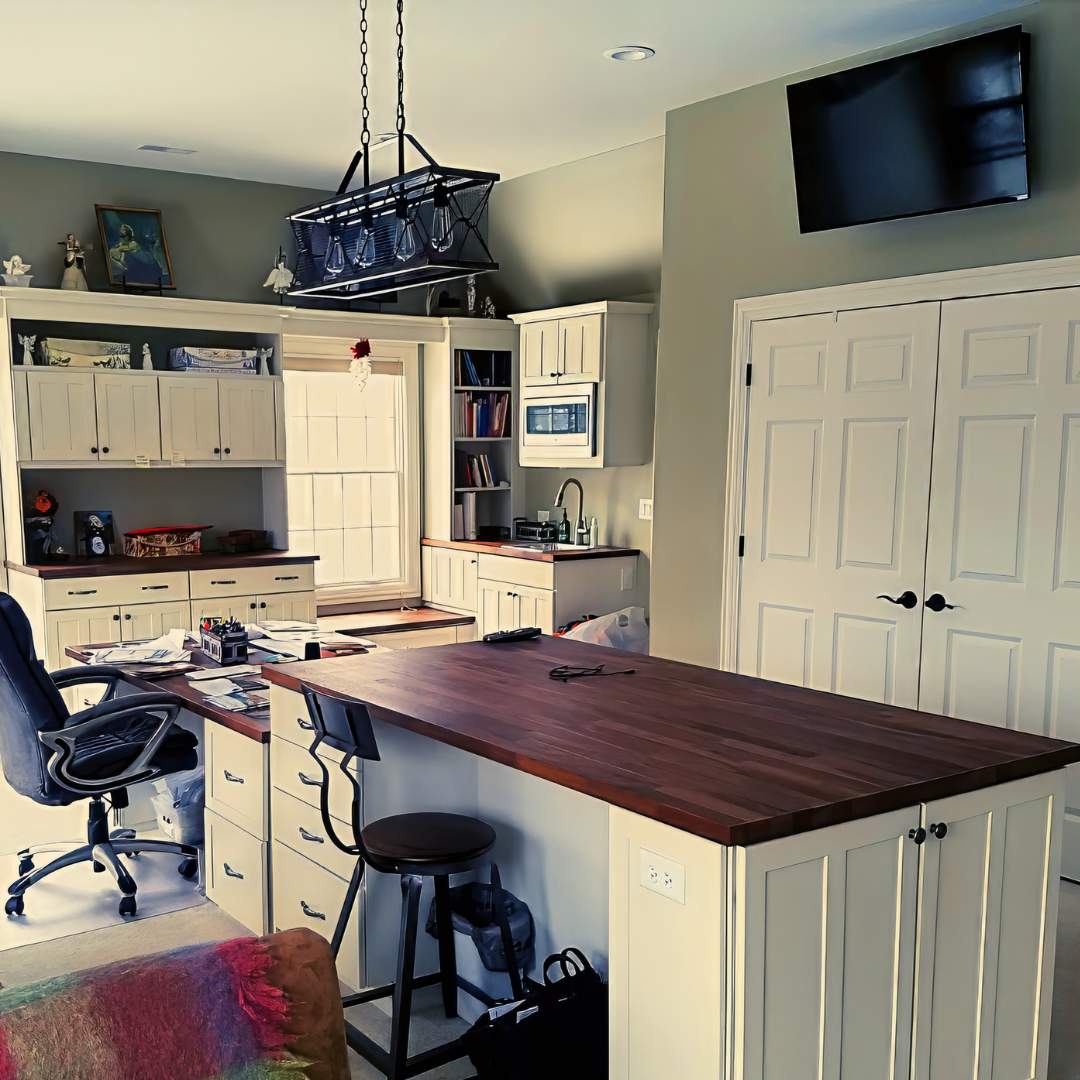
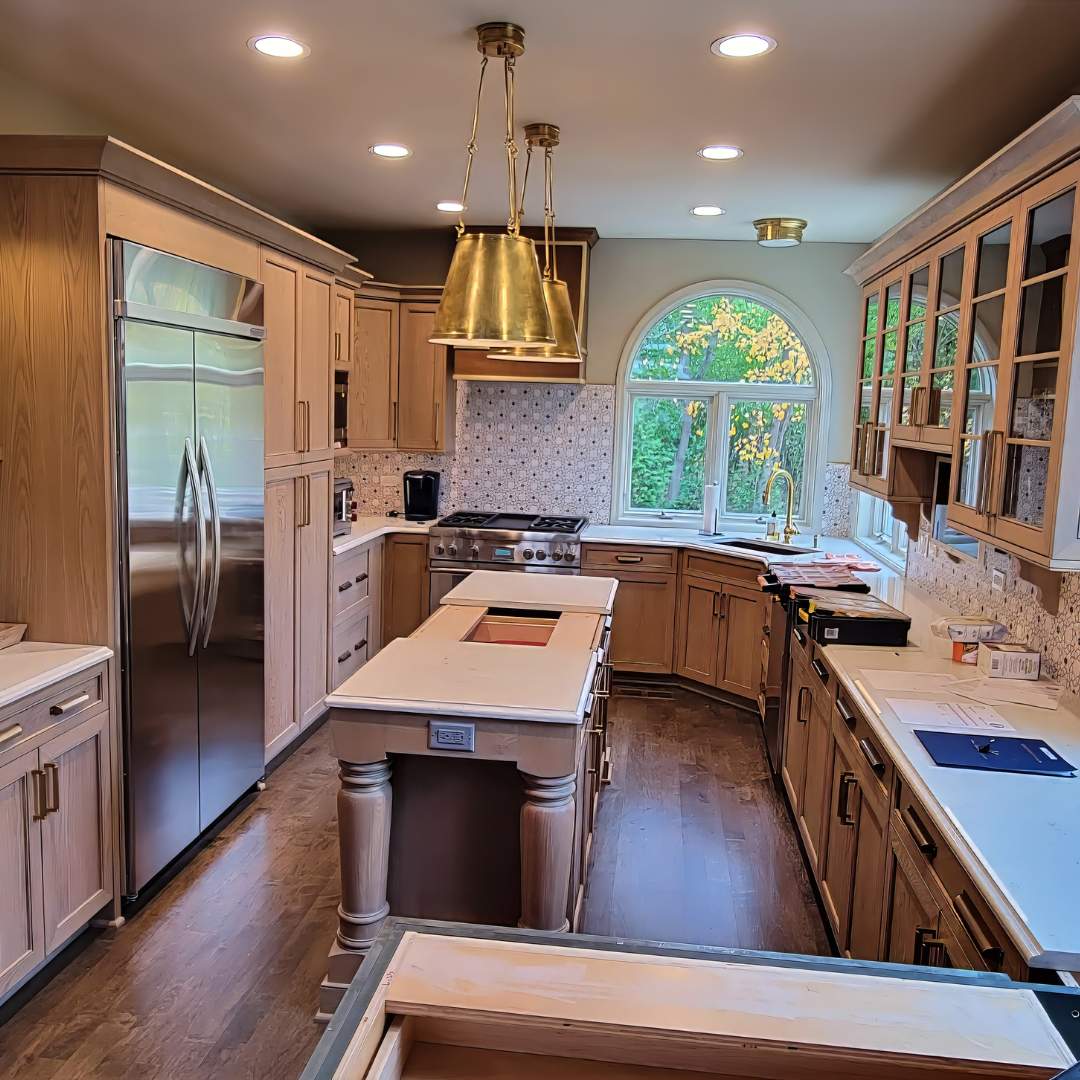
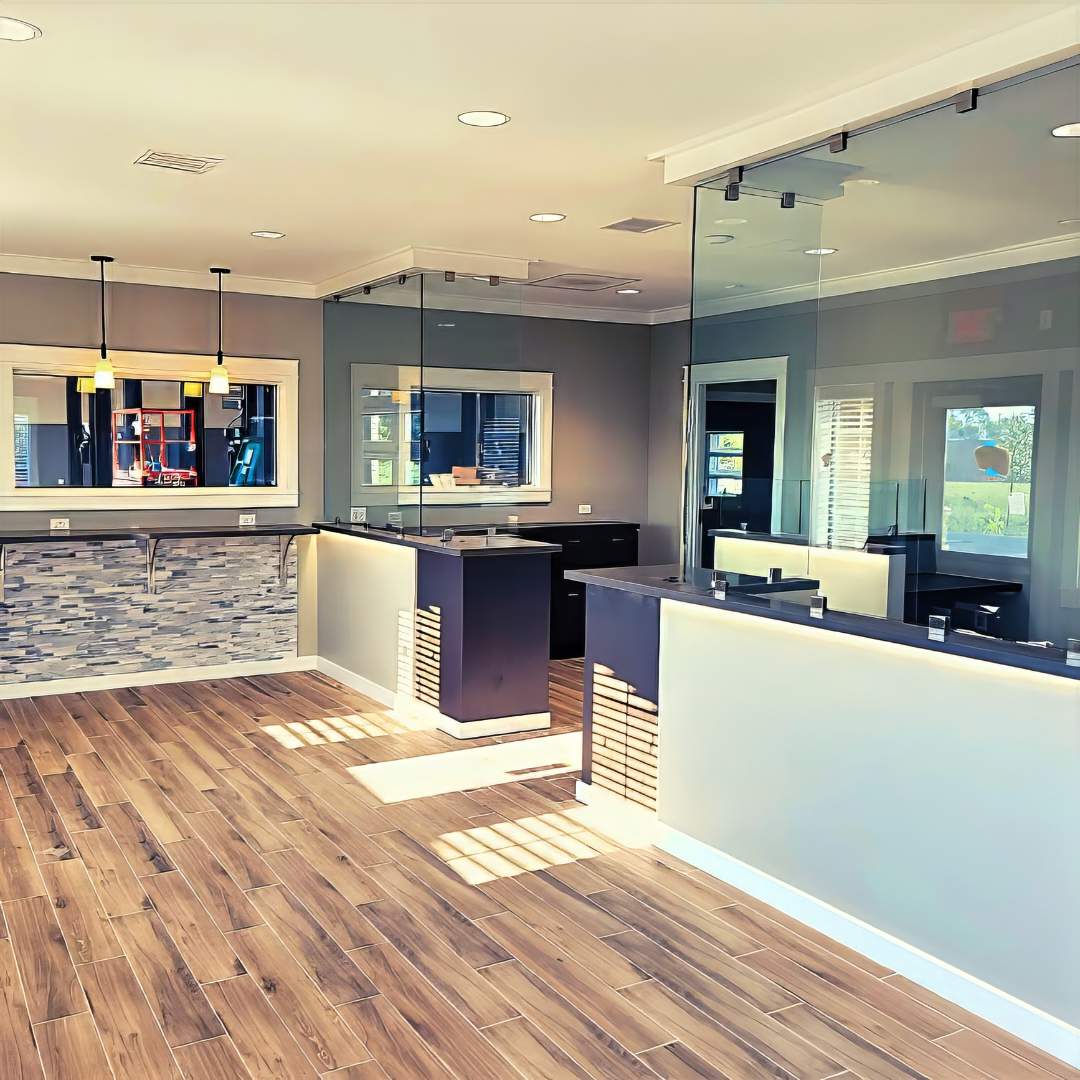
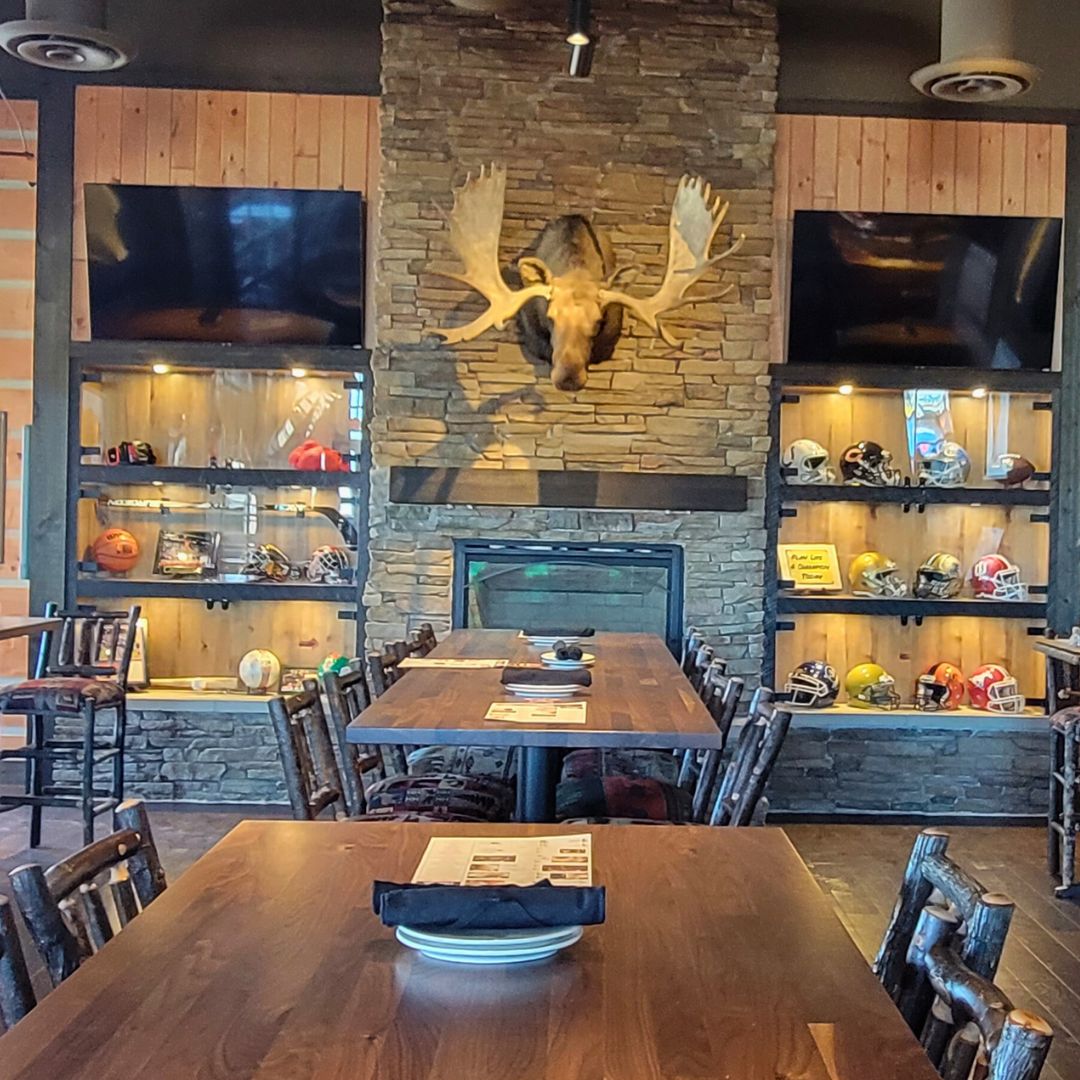
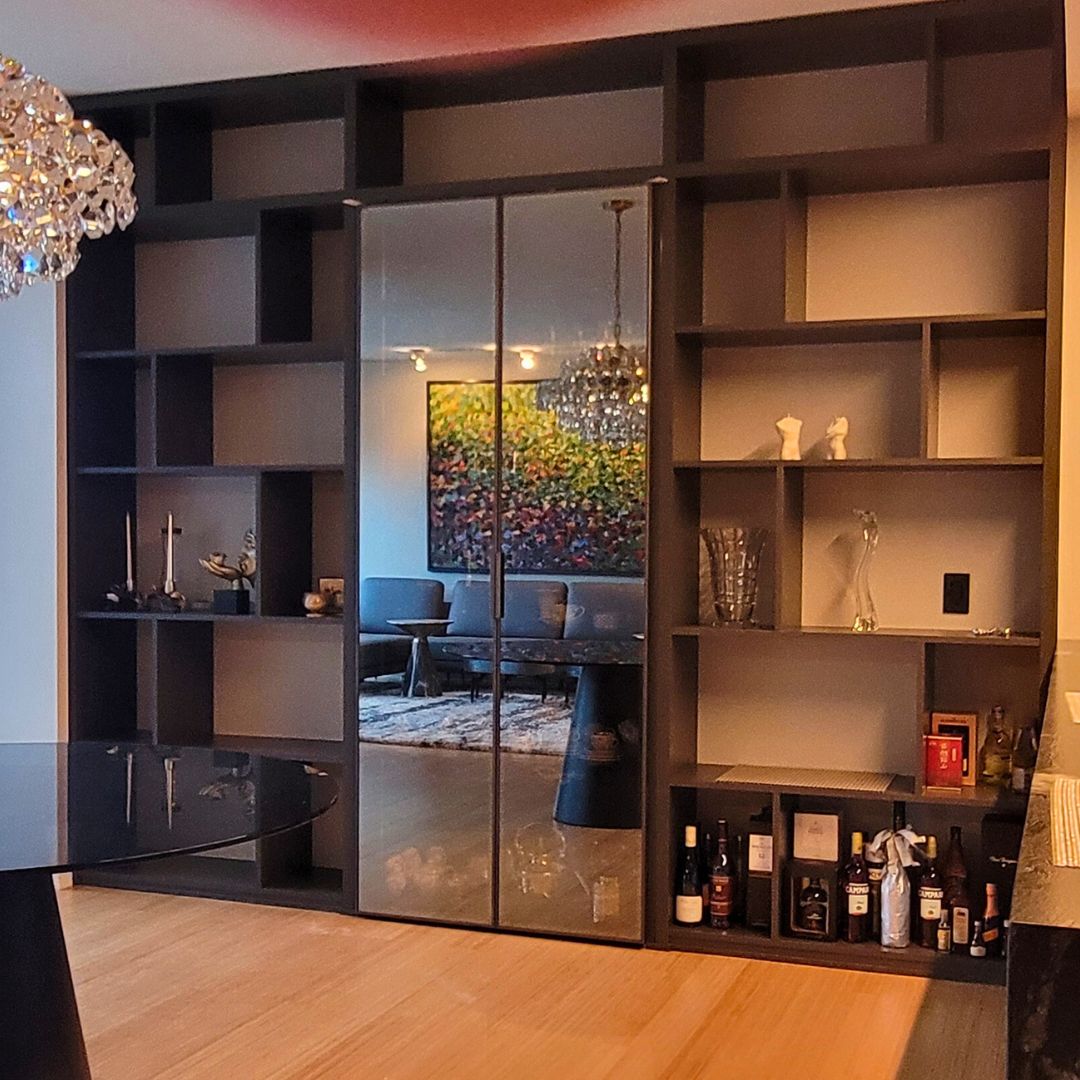
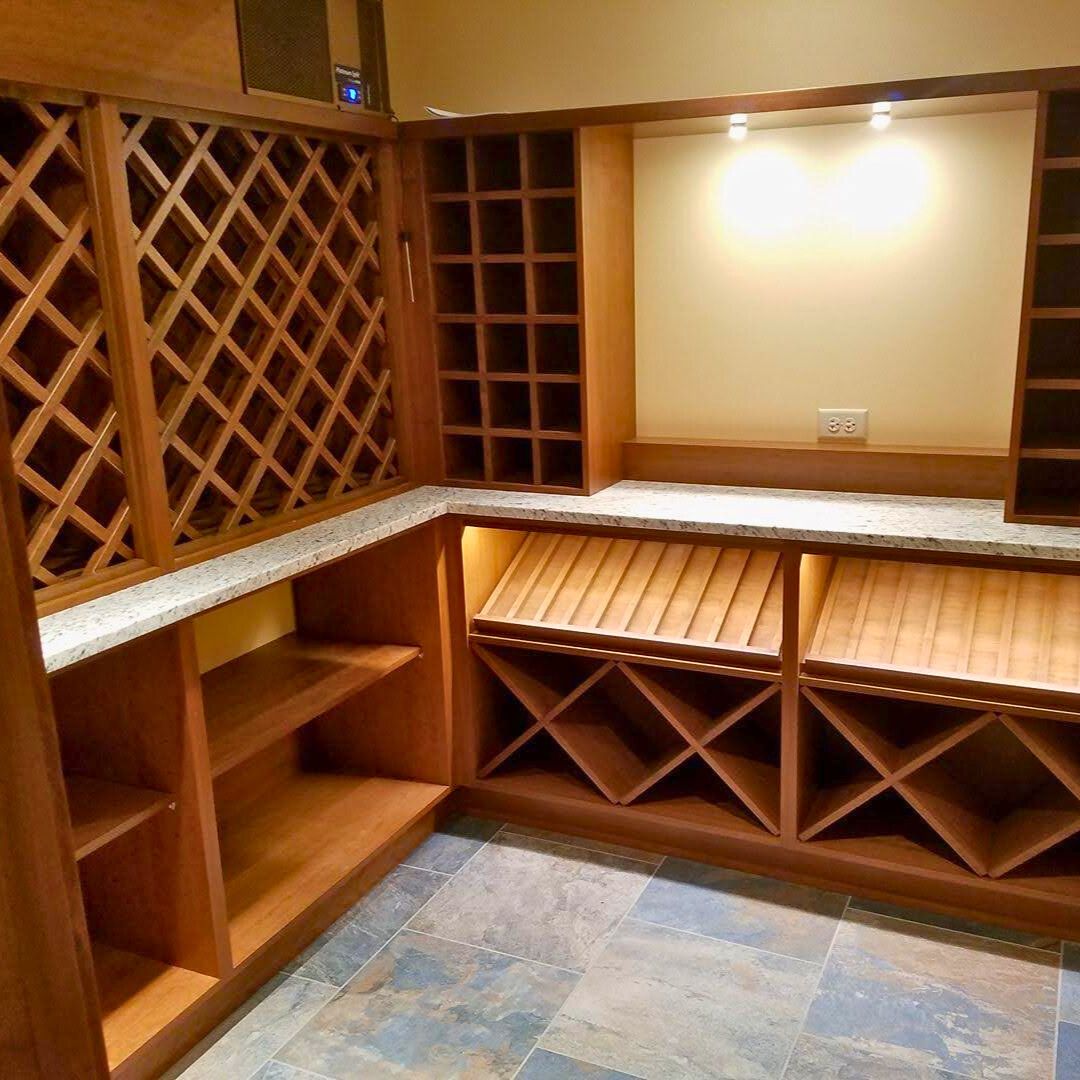
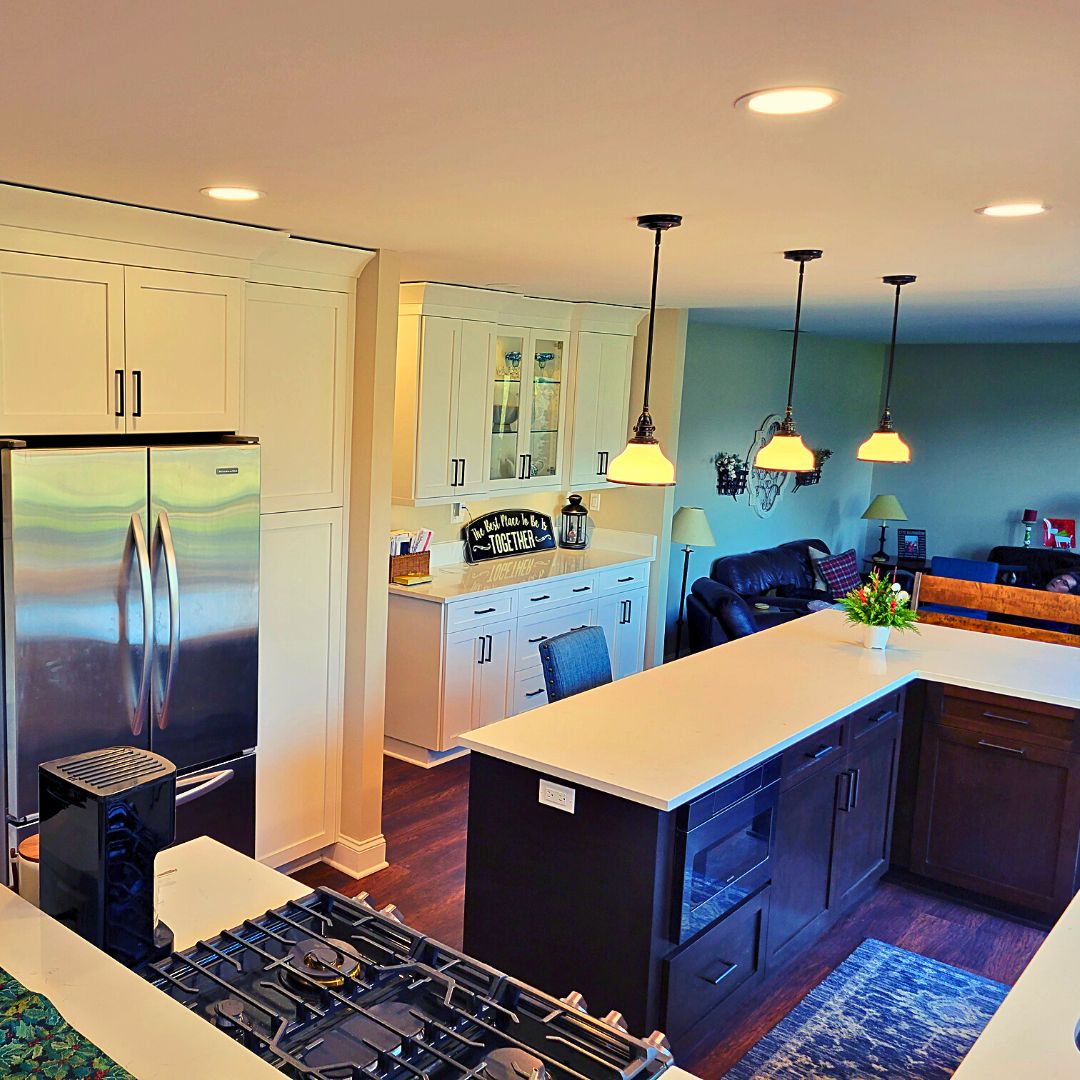
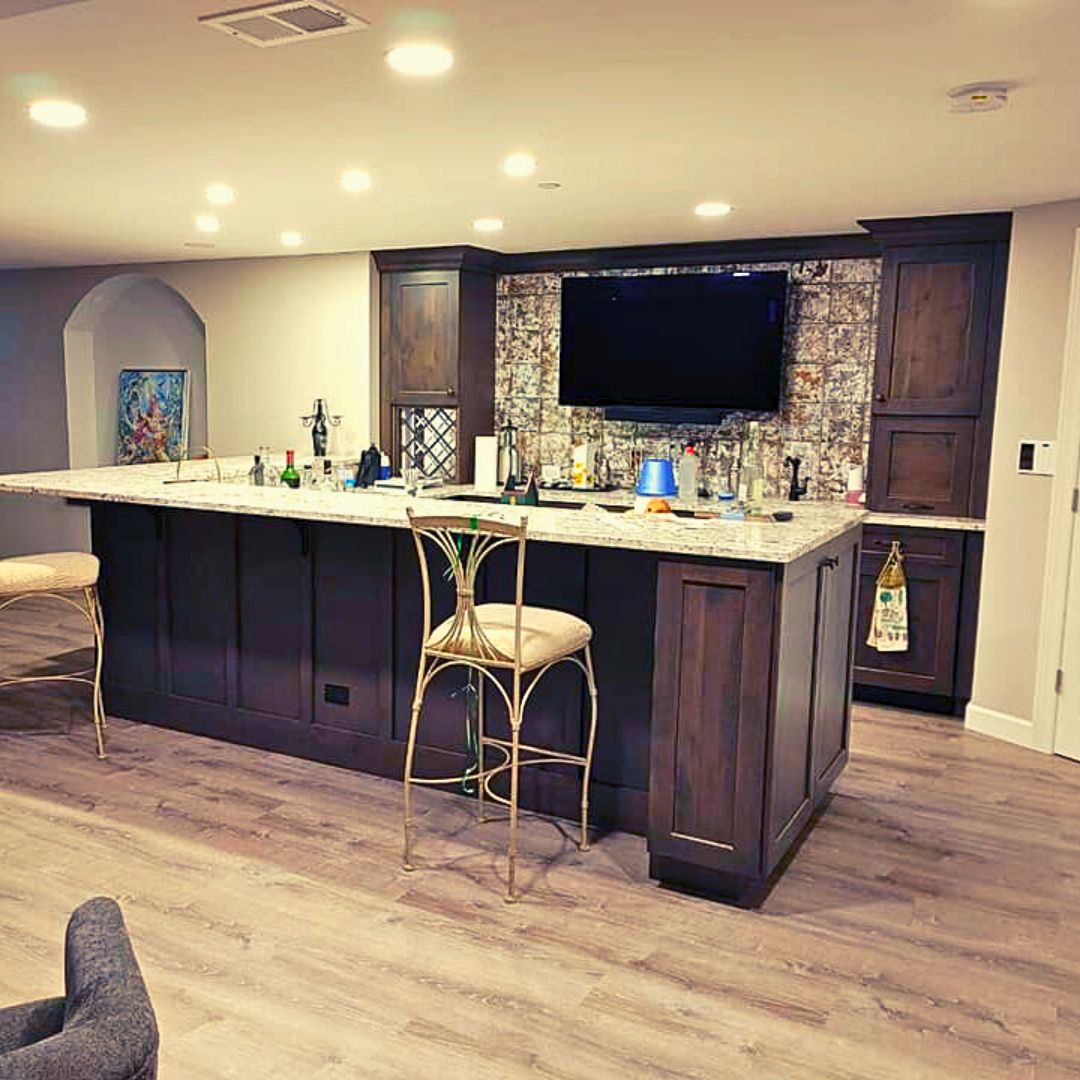
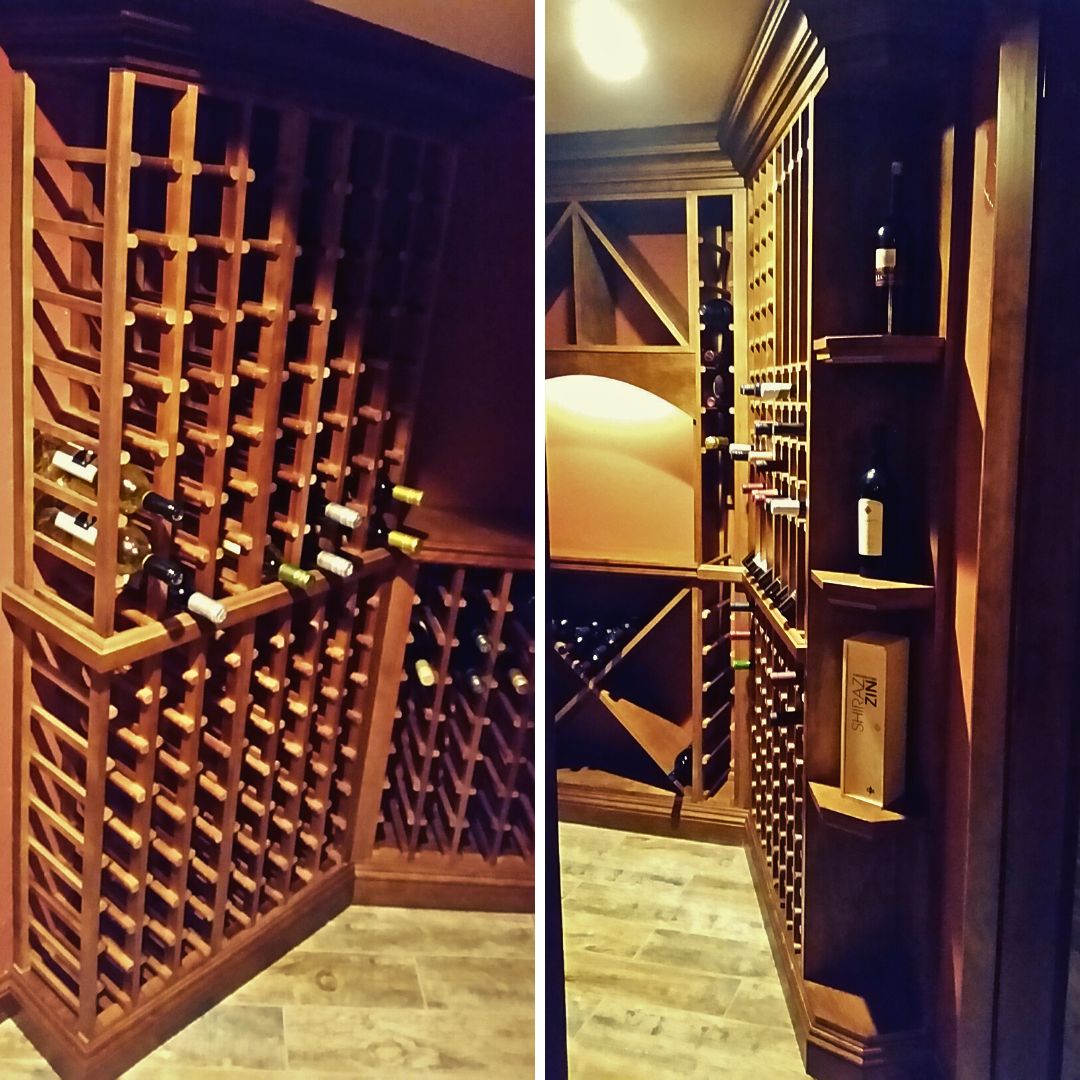
High-Spec Commercial Millwork
An AWI grade is only one part of an architectural millwork specification. The product being built, material selections, finish requirements, exposed surfaces, construction details, and installation requirements can all affect what the finished work needs to meet.
That is why “AWI Premium” or “AWI Custom” should not be treated as a complete direction on its own. A specification-driven project may also need to address:
- Applicable AWI Standards: Different requirements can apply depending on whether the scope includes casework, millwork and trim, paneling, finishing, installation, or other architectural woodwork.
- Materials and Finishes: Species, veneers, laminates, finishes, grain or pattern direction, and other material requirements may be defined separately.
- Aesthetic Requirements: The specified grade determines the degree of control expected for exposed and semi-exposed portions of the work.
- Performance Requirements: How the millwork will be used may introduce requirements beyond its visual appearance.
- Project-Specific Details: Architectural drawings and specifications may establish additional requirements that need to be understood before fabrication begins.
The right approach starts with the complete project documents, not the grade name by itself.
Our AWI-Specified Millwork Process from Plans to Installation
Specification Review
Review the millwork scope, drawings, and specifications to identify where AWI standards or specific aesthetic grades are referenced.
Grade & Application Review
Determine whether Economy, Custom, or Premium is specified and understand which millwork elements those requirements apply to.
Material & Detail Coordination
Review materials, finishes, exposed surfaces, design details, and other project requirements in relation to the specified work.
Fabrication
Build the millwork toward the defined project requirements using the approved scope, materials, details, and applicable grade expectations.
Installation
Install and align the finished millwork with attention to fit, surrounding conditions, and the installation requirements established for the project.
What an AWI Grade Can Change in the Finished Millwork
An AWI grade can affect more than whether millwork is classified as Economy, Custom, or Premium. Depending on the architectural woodwork involved, the applicable standard may set requirements for materials, visible surfaces, workmanship, tolerances, and finished appearance.
Key areas can include:
- Material Selection: Requirements for substrates, veneers, solid stock, and other materials.
- Exposed Surfaces: Standards for surfaces that remain visible after installation.
- Color and Grain Matching: Expectations for visual consistency between natural materials.
- Finish Quality: Requirements for surface preparation, visible defects, and overall appearance.
- Fit and Tolerances: Standards for joints, edges, reveals, dimensions, and installation details.
The AWI grade should always be reviewed with the full architectural specification. Two projects can both require Custom Grade millwork while calling for very different materials, finishes, and design details.
Where AWI Grade Decisions Add the Most Value
Reception & Client-Facing Areas
Reception desks, feature cabinetry, teller areas, prominent counters, and other client-facing elements are often viewed closely and contribute directly to the overall appearance of a commercial interior. These applications may call for greater aesthetic control depending on the design intent.
Office & Workplace Millwork
Workstations, cabinetry, storage, breakrooms, and other occupied work areas need to balance appearance, function, and budget. Custom Grade or other project-specific requirements may be appropriate depending on how visible the millwork is and how the space will be used.
Architectural Features
Feature walls, architectural panels, specialty trim, and other design-focused elements can require closer attention to material selection, matching, finish, and visible workmanship. When these elements are central to the design, a higher aesthetic grade may be specified.
Back-of-House & Utility Areas
Staff-only storage, utility spaces, and less-visible areas may not require the same degree of aesthetic control as public-facing architectural features. The project team can specify the level that makes sense for the application rather than applying one grade indiscriminately throughout the entire project.
Why Businesses, Architects, and Contractors Choose Marengo Millwork for Specification-Driven Projects
Marengo Millwork works with business owners, builders, architects, designers, and contractors on commercial and custom millwork projects. More than 35 years of industry experience includes design, fabrication, finishing, installation, and project management.
When AWI requirements are part of the project, Marengo approaches the work by looking at the complete specification rather than relying on assumptions about what Economy, Custom, or Premium is supposed to mean. The focus is on understanding the millwork, materials, finishes, details, and project requirements so the defined scope can be approached appropriately.
Frequently Asked Questions About AWI Millwork Standards
AWI specifications can introduce terminology that is not always obvious to owners, contractors, or even project teams that do not work with architectural millwork every day. These frequently asked questions explain how Economy, Custom, and Premium grades fit into a commercial millwork specification.
What are the three AWI grades?
AWI uses three aesthetic grades called Economy, Custom, and Premium. Economy establishes the minimum level of aesthetic control, Custom provides a higher degree of control, and Premium provides the highest degree of aesthetic control.
What does AWI Custom Grade mean?
Custom Grade is a defined AWI aesthetic grade. It establishes requirements for the materials, workmanship, and manufacture of architectural woodwork under the applicable standard. It should not be confused with the general term “custom millwork.”
What is AWI Premium Grade millwork?
Premium Grade represents the highest level of aesthetic control within the AWI grading system. It may be specified for highly visible, closely viewed, or design-sensitive architectural woodwork where tighter aesthetic requirements are appropriate.
What is AWI Economy Grade?
Economy Grade establishes the minimum level of aesthetic control in the AWI grading system. It can be appropriate for applications where function is more important than achieving the higher level of visual refinement associated with Custom or Premium Grade.
Is Premium Grade always better for a commercial project?
Not necessarily. The appropriate grade depends on the location, visibility, design intent, budget, and requirements of the individual project. A highly visible reception feature may warrant different requirements than storage cabinetry in a back-of-house area.
Does AWI grade determine how strong the millwork is?
Not by itself. Economy, Custom, and Premium are aesthetic grades. Certain types of architectural woodwork can also have separate performance requirements, so appearance and structural performance should not automatically be treated as the same specification decision.
Can different areas of the same project use different AWI grades?
The project documents can establish different requirements for different millwork elements or areas. This can allow the specification to place greater aesthetic control where it adds value without applying the same requirements to every piece of millwork.
Is AWI-specified millwork the same as AWI-certified millwork?
No. A project can reference AWI standards or an AWI aesthetic grade without being certified through the AWI Quality Certification Program. If QCP certification is required, that should be specifically identified and confirmed as part of the project requirements.
What should I provide if my project specifications reference AWI?
Provide the architectural drawings, millwork specifications, applicable finish information, and any other documents that define the scope. Reviewing these details helps establish which requirements apply to the individual millwork elements.
Can Marengo Millwork work with an AWI grade listed in our specifications?
Marengo Millwork can work toward project-specific AWI requirements when they are part of the defined scope. Sharing the plans and specifications early allows the required grade and related millwork details to be reviewed together.
Let’s Build Something
to the Right Specification.
From Economy and Custom Grade requirements to Premium and other high-spec architectural millwork, Marengo Millwork approaches each project around the plans, application, and expectations established for the work.